

The proceedings of the 2nd National Forum of Blind and Visually Impaired Women concluded on Sunday in Rabat with the adoption of the "Rabat Declaration for Blind and Visually Impaired Women", a reference document reflecting the aspirations of this social group for a more equitable and inclusive future.
This Declaration, marking the outcome of the forum held under the honorary presidency of HH Princess Lalla Lamia Essolh, President of the Alaouite Organization for the Promotion of the Blind in Morocco (OAPAM), commends the efforts made by various stakeholders to improve the conditions of blind and visually impaired women.
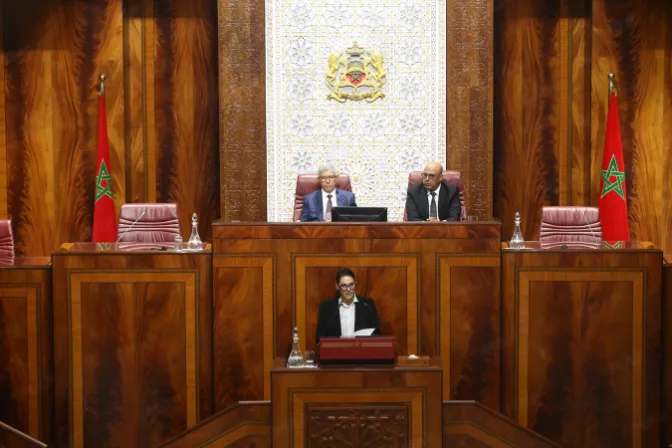
The Declaration, whose text was read by the coordinator of the central women’s committee at OAPAM, Rajaa Alaoui, highlights the multiple challenges that blind and visually impaired women continue to face, particularly in terms of access to education and training, economic integration, access to health and social services, digital inclusion, and participation in public life.
The text recalls national and international frameworks relating to the rights of women and persons with disabilities, stressing that visually impaired women are full citizens, enjoying all their rights and freedoms without discrimination.
It also emphasizes the need to adopt a human rights and gender-based approach in all public policies, to strengthen the autonomy, dignity, and empowerment of visually impaired women, to ensure their universal access to services and technologies, and to enhance their role as key actors in societal development.
The document includes a series of recommendations covering areas such as digital inclusion, economic integration, education and training, participation and leadership, as well as accessibility, while highlighting monitoring and implementation mechanisms, notably through strengthened partnerships with government departments and national institutions, and the adoption of indicators to measure impact.
The Declaration issued an open call to government departments, public institutions, local authorities, civil society, the private sector, and all relevant stakeholders to fully engage in the implementation of its provisions and to work jointly towards the genuine and sustainable empowerment of visually impaired women.
The forum, held from April 10 to 12 in the presence of experts and institutional stakeholders, and with the participation of around 60 beneficiaries from different regions of the Kingdom, featured scientific sessions, practical workshops, as well as testimonies and parallel activities.
(MAP: 13 april 2026)