

Minister Delegate to the Head of Government in charge of Digital Transition and Administrative Reform, Amal El Fallah Seghrouchni called here on Tuesday for African public leadership that is firmly rooted in the continent's realities while remaining open to the world.
Speaking at the opening of the 17th Ministerial Forum of the African Training and Research Center in Administration for Development (CAFRAD), Seghrouchni stressed that "Africa's vast human capital, vibrant innovation ecosystems and capacity to develop homegrown solutions should serve as the foundation for a leadership model based on ethics, competence and impact."
She said such leadership should foster a culture of performance, cooperation and quality public service, noting that the future of African administrations relies on their ability to adapt rapidly to change, act in a coordinated manner and uphold the public interest.
The minister also spoke of Morocco's ongoing institutional and administrative reforms, carried out under the leadership of His Majesty King Mohammed VI, describing administrative reform as a key pillar of sustainable development.
For his part, CAFRAD Director General Coffi Dieudonné Assouvi commended Morocco's efforts to support global transformations and advance their implementation across Africa. He also praised the Sovereign's vision for South-South cooperation, calling it as a source of inspiration for pan-African institutions.
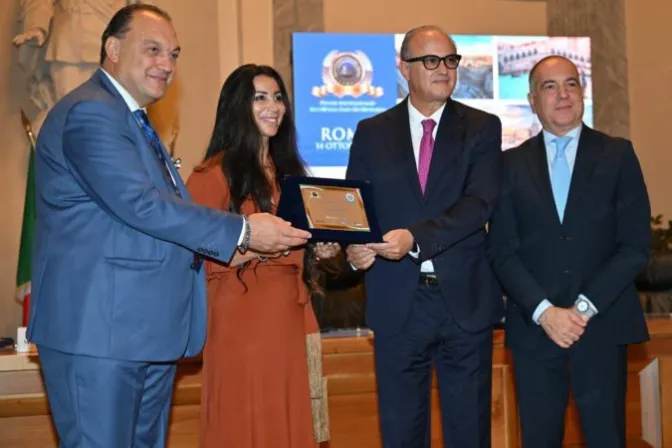
On the occasion, Seghrouchni, who also chairs CAFRAD's Board of Directors, received the African Leadership Excellence Award - Personality of the Year 2025 in the category of Digital Governance for Sustainable Development, in recognition of her commitment to sustainable development, African integration and South-South cooperation.
Held under the theme "Leadership, Essential Catalyst for Steering Public Action in a Volatile, Uncertain, Complex, Ambiguous, Paradoxical and Dangerous (VUCAPD) Environment," the forum features five interactive sessions focusing on leadership, emotional intelligence, organizational resilience, interinstitutional cooperation and strategic foresight.
(MAP: 14 July 2026)